

Jakarta, incaschool.sch.id – The high school years shape how students think, learn, and prepare for the future, which is why a strong High School Curriculum matters so much. It is not only a list of subjects to complete before graduation. It is a structured framework that helps students build knowledge, develop skills, and gain the academic foundation needed for higher education, employment, and responsible participation in society. A well-designed curriculum supports both intellectual growth and practical readiness, helping students move beyond memorization toward understanding, application, and confidence.
Why High School Curriculum Matters
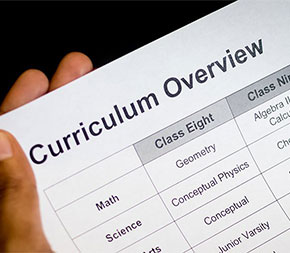
A strong High School Curriculum matters because it gives students a balanced educational foundation. High school is a stage where learners begin to connect basic knowledge with more advanced thinking. The subjects they study help them interpret the world, communicate more effectively, solve problems, and make informed decisions.
This becomes especially important because academic achievement is not based on one subject alone. Students need a curriculum that combines literacy, numeracy, scientific understanding, social awareness, and personal development. When these areas are taught together in a thoughtful way, students are better prepared for exams, future study, and everyday responsibilities.
There is also a strong connection to academic knowledge, critical thinking, communication, discipline, adaptability, and long-term success here. A good High School Curriculum is not simply about covering content. It is about building the knowledge and skills that support meaningful academic achievement.
My Perspective on Academic Preparation
What changed my understanding of the High School Curriculum was realizing that academic success depends not only on what students learn, but also on how those subjects shape habits of thinking and working. At first, some may think curriculum is just a formal checklist of classes. But over time, it becomes clear that each subject contributes something important to student development.
Mathematics teaches logic and problem-solving. Language subjects improve reading, writing, and expression. Science develops inquiry and evidence-based reasoning. Social studies strengthen historical understanding and civic awareness. Arts and physical education support creativity, well-being, and balance. Together, these subjects form a broader educational experience that prepares students for more than test results alone.
That is what makes this topic meaningful. The High School Curriculum is not only about academic requirements. It is about shaping capable, informed, and adaptable learners.
Essential Subjects in a High School Curriculum
The value of a High School Curriculum becomes clearer when the core subject areas are considered directly.
Mathematics
Mathematics helps students develop logical thinking, numerical confidence, and analytical problem-solving. It is essential not only for academic advancement but also for practical decision-making in daily life.
Language and Literature
Language and literature strengthen reading comprehension, writing ability, interpretation, and communication. These skills are central to success across nearly every academic subject.
Science
Science teaches students how to observe, question, test, and explain the world around them. It supports critical thinking and encourages evidence-based understanding.
Social Studies
Social studies give students a stronger grasp of history, geography, politics, economics, and culture. These subjects help them become more informed and responsible members of society.
Foreign Language
Foreign language study can improve communication skills, cultural understanding, and global awareness. It also helps students become more flexible thinkers.
Arts
Arts education supports creativity, expression, interpretation, and confidence. It adds depth to the curriculum by encouraging imagination and original thought.
Physical Education
Physical education promotes health, teamwork, discipline, and active living. It reminds students that academic achievement is supported by physical well-being too.
Essential Skills for Academic Achievement
A strong High School Curriculum should develop not only subject knowledge but also essential academic and personal skills.
Critical thinking
Students need to analyze information, question assumptions, and form reasoned conclusions.
Communication skills
Clear speaking and writing help students express ideas effectively in both academic and real-world settings.
Time management
Good study habits and scheduling support stronger performance and lower stress.
Research skills
Students should learn how to locate, evaluate, and use information responsibly.
Collaboration
Working with others builds teamwork, listening, and shared problem-solving.
Adaptability
Students benefit from learning how to respond to change, challenge, and new expectations.
Common Challenges in Curriculum Design and Student Learning
The High School Curriculum can also face several challenges that affect its effectiveness.
Overloaded content
Too much material can reduce depth of understanding.
Uneven skill development
Some students may do well in content recall but struggle with application or analysis.
Limited relevance
Students may disengage if they do not see how subjects connect to life beyond school.
Pressure-focused learning
When curriculum is driven only by testing, meaningful learning may weaken.
Different learning needs
Not all students learn at the same pace or in the same way.
Practical Ways to Strengthen a High School Curriculum
A High School Curriculum becomes more effective when it is designed with balance and purpose.
Keep core subjects strong
Students need a reliable foundation in the main academic disciplines.
Connect knowledge to real life
Learning becomes more meaningful when students see practical relevance.
Emphasize both content and skills
Academic success depends on understanding as well as performance habits.
Support different learners
Curriculum should allow room for varied strengths and learning styles.
Encourage reflection and independence
Students should gradually take more responsibility for their own learning.
Below is a simple overview of key subjects and their value within the High School Curriculum:
| Subject Area | Why It Matters | Example of Skill Development |
|---|---|---|
| Mathematics | Builds logic and problem-solving | Solving equations and analyzing patterns |
| Language and Literature | Strengthens communication | Writing essays and interpreting texts |
| Science | Develops inquiry and evidence-based thinking | Conducting experiments and evaluating results |
| Social Studies | Builds civic and historical awareness | Understanding social systems and global issues |
| Arts and Physical Education | Supports creativity and well-being | Expressive work, teamwork, and active habits |
These examples show that the High School Curriculum is not simply a schedule of classes. It is a structured pathway through which students gain the subjects and skills needed for academic achievement.
Why High School Curriculum Matters Beyond School
The importance of the High School Curriculum extends beyond graduation. The subjects and skills students develop in high school continue to shape how they study, work, communicate, and make decisions in adult life. A strong curriculum prepares students not only for university entrance or exams, but also for future responsibility and lifelong learning.
That broader significance is what makes this topic so valuable. The High School Curriculum is not only about completing school. It is about building the academic and personal foundation for future growth.
Final Thoughts
For me, the High School Curriculum is one of the most important parts of education because it brings together essential subjects and practical skills in a way that supports long-term academic achievement. When designed well, it helps students become more knowledgeable, more capable, and more prepared for the challenges ahead.
That is why it matters so much. The High School Curriculum is not simply a set of required courses. It is a framework for developing the knowledge, habits, and abilities that support success in school and beyond.
Explore our “”Knowledge“” category for more insightful content!
Don't forget to check out our previous article: Junior High Fitness: Fun Activities That Encourage Healthy Movement and Active Lifestyles