
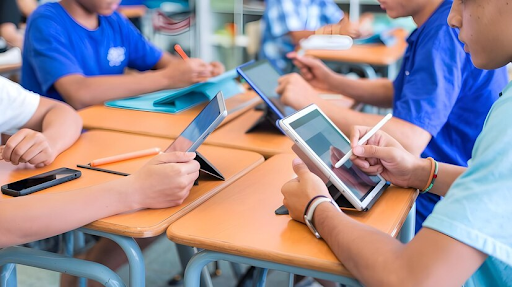
Jakarta, incaschool.sch.id – When I think about the ways education continues to evolve, Junior High Technology stands out as one of the most important areas of change. Today’s students are learning in a world shaped by digital communication, online resources, and rapidly developing technology. Because of that, classrooms can no longer rely only on traditional methods if they want to fully prepare students for modern learning and future responsibilities. To me, integrating digital tools in junior high school is not simply about making lessons more modern. It is about making learning more engaging, accessible, and relevant.
Why Junior High Technology Matters

In my experience, Junior High Technology matters because junior high is a critical stage of academic and personal development. Students at this level are becoming more independent, more curious, and more capable of handling complex information. At the same time, they still need guidance in building responsible learning habits. Digital tools can support this process when they are used thoughtfully.
This is especially important because technology in the classroom can improve how students access information, participate in lessons, collaborate with peers, and organize their work. Interactive presentations, educational apps, online research tools, learning platforms, and multimedia content can all help make lessons clearer and more dynamic. When used well, technology can support different learning styles and make classroom experiences more responsive to student needs.
There is also a strong connection to student Knowledge and digital literacy here. Junior high technology involves not only access to devices, but also learning how to use digital tools responsibly, critically, and effectively.
My Perspective on Integrating Digital Tools
What changed my understanding of Junior High Technology was realizing that the value of technology does not come from the tools alone. At first, it may seem like bringing devices into the classroom automatically improves learning. But over time, I came to see that the real benefit depends on how those tools are integrated into teaching. Technology is most effective when it supports learning goals, strengthens engagement, and helps students understand ideas more clearly.
That is what makes this topic meaningful to me. Digital tools should not replace thoughtful teaching. They should enhance it. In that sense, junior high technology is not only about screens, software, or internet access. It is about using educational tools with purpose to improve the quality of learning.
Core Elements of Junior High Technology
I think Junior High Technology becomes easier to understand when its key elements are broken down clearly.
Digital access
Students need reliable access to appropriate devices and platforms.
Interactive learning
Technology can make lessons more engaging through multimedia and participation.
Collaboration
Digital tools often make it easier for students to work together.
Organization
Online platforms can help students manage assignments and materials.
Digital literacy
Students need guidance in evaluating and using technology responsibly.
Teacher support
Effective integration depends on teacher readiness and instructional planning.
Common Challenges with Junior High Technology
I have noticed that Junior High Technology can also involve recurring challenges.
Unequal access
Not all students have the same access to devices or internet connection.
Distraction
Technology can shift attention away from learning if not managed well.
Training needs
Teachers may need support to use digital tools effectively.
Overreliance
Too much dependence on technology can reduce balance in instruction.
Technical problems
Devices, software, and connectivity issues can interrupt lessons.
Practical Value of Junior High Technology
I believe Junior High Technology offers lasting value because it supports learning in ways that reflect the world students are growing into.
It increases engagement
Digital tools can make lessons more interactive and appealing.
It supports different learners
Multimedia resources can help explain concepts in varied ways.
It builds digital skills
Students prepare for future academic and professional environments.
It improves collaboration
Online tools make group work and communication easier.
It strengthens classroom flexibility
Teachers can adapt instruction with more resources and formats.
Below is a simple overview of how junior high technology supports better classroom learning:
| Junior High Technology Element | Why It Matters | Example in Practice |
|---|---|---|
| Digital access | Provides entry to modern learning tools | Students using tablets or school laptops during class |
| Interactive learning | Increases attention and understanding | Teachers using videos, quizzes, and educational platforms |
| Collaboration | Supports peer learning and teamwork | Students working together on shared digital documents |
| Organization | Helps students manage school responsibilities | Using classroom portals for assignments and announcements |
| Digital literacy | Prepares students to use technology responsibly | Teaching students how to evaluate online information |
These elements show that junior high technology is not simply about putting devices in classrooms. It is about creating better learning experiences through thoughtful integration, support, and purpose.
Why Junior High Technology Matters Beyond the Classroom
I think Junior High Technology matters because the habits students build during these years can shape how they use technology later in life. Learning to use digital tools effectively, respectfully, and responsibly is not only useful for school. It is also essential for future study, work, communication, and citizenship.
That broader significance is what makes this topic so valuable. Junior high technology is not only about improving current classroom learning. It is also about helping students develop the digital confidence and responsibility they will need in a changing world.
Final Thoughts
For me, Junior High Technology is one of the most important parts of modern education because it brings together engagement, access, collaboration, and digital literacy in ways that can strengthen classroom learning. It reminds us that technology itself is not the goal. Better learning is the goal, and digital tools can help when they are used thoughtfully.
That is why it matters so much. Integrating digital tools in junior high classrooms is not simply about keeping up with change. It is about creating learning environments that are more effective, relevant, and prepared for the future.
Explore our “”Knowledge“” category for more insightful content!
Don't forget to check out our previous article: High School Community: Building Connections and Support